
Uber and Lyft Accidents in the DMV: What Passengers Need to Know
In a regular car accident, you identify the at-fault driver and file a claim against their insurance. Simple.
In rideshare accidents, which insurance pays depends on what the driver was doing at the exact moment of the crash. Was the app on or off? Had they accepted a ride? Were they actively transporting a passenger?
How Much Is My Car Accident Case Worth? (Virginia, DC & Maryland)
Last month I had a consultation where someone told me another lawyer promised them $200,000 "easy" after a 10-minute phone call. That lawyer hadn't seen a single medical record, didn't know the policy limits, hadn't reviewed the police report, and had no idea whether contributory negligence applied.
That's not legal advice. That's a sales pitch.

10 Reasons Insurance Companies Deny Car Accident Claims (And What You Can Do About It)
Insurance companies deny claims because denying costs them nothing to try.
Best case (for them): You give up and they pay nothing.
Worst case (for them): You hire a lawyer, they reverse the denial, and pay what they should have from the start.

Car Accident Laws in Virginia vs. DC vs. Maryland: What DMV Residents Need To Know
If you live, work, or commute in the DMV area, you need to understand how car accident laws differ across Virginia, DC, and Maryland. Because thousands of people cross state lines every single day without realizing the legal rules change the moment they do.
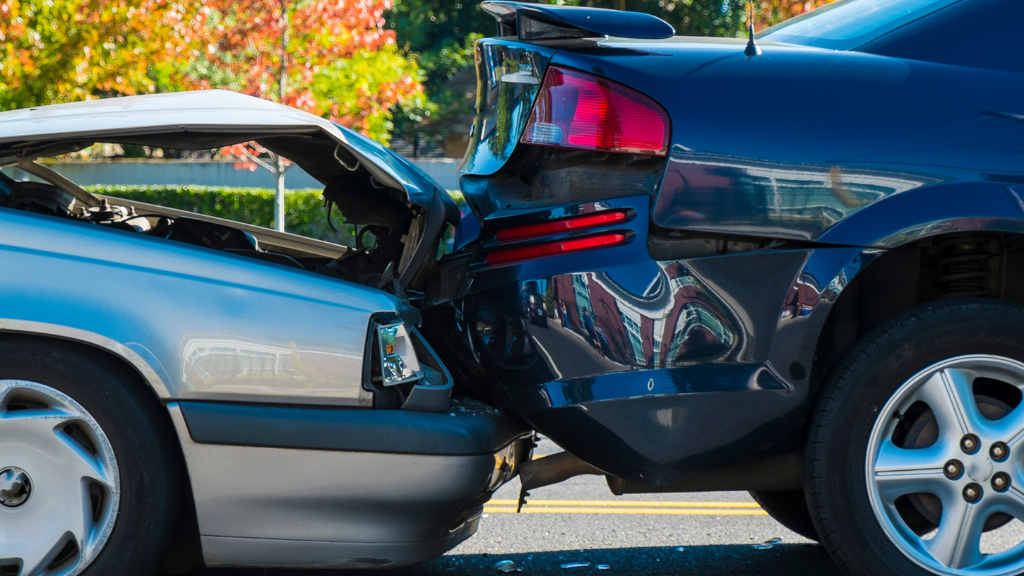
7 Insurance Company Tactics After Car Accidents In Virginia (And How To Fight Back)
This is exactly how insurance companies operate once the friendly initial contact ends. They delay. They lowball. They pressure. They use specific tactics designed to reduce what they pay or deny claims entirely.